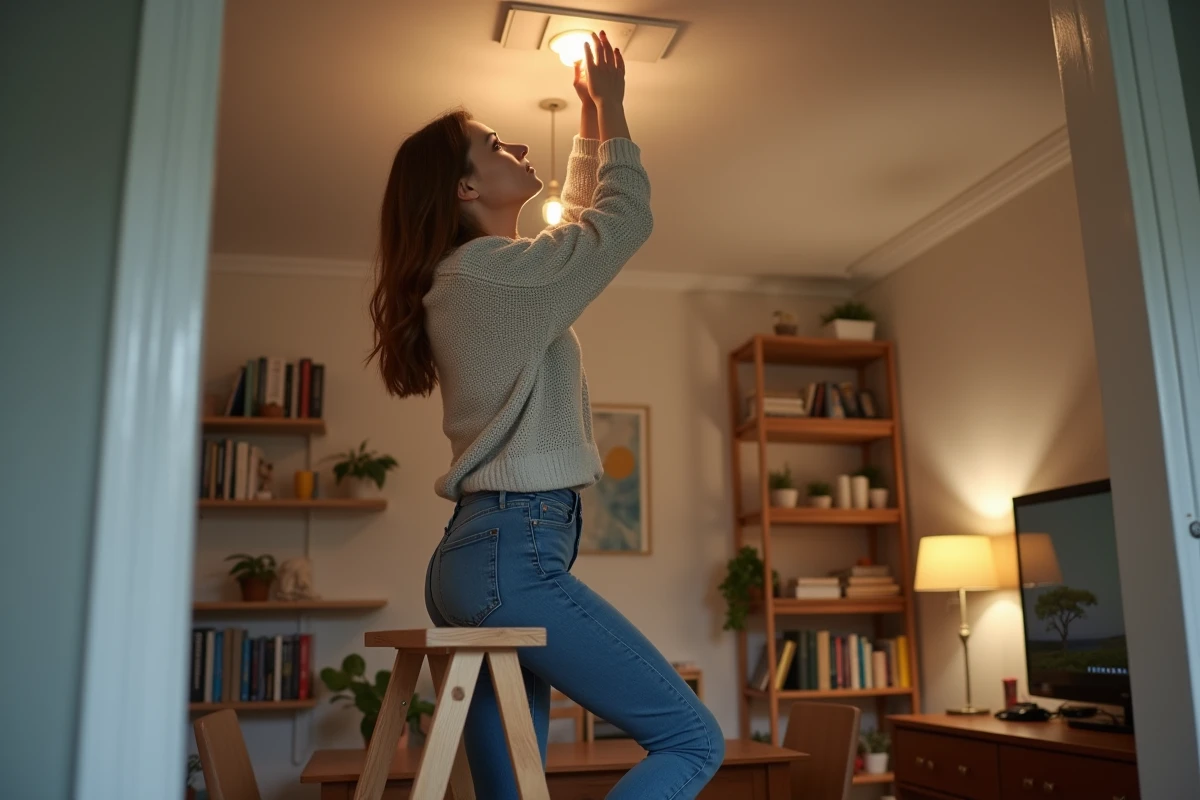
The decree n°87-712 of August 26, 1987, precisely distinguishes the repairs that are the responsibility of the tenant from those that fall to the owner, without always clarifying doubts about what is considered regular maintenance. The replacement of a light bulb, although trivial, regularly sparks disputes between landlords and tenants.
The law makes no distinction between empty and furnished housing in this regard, but certain specific situations escape the general rule. The question of replacing light sources thus reveals subtleties that can lead to misunderstandings, even disputes.
Tenant or owner: how are maintenance obligations divided in furnished rentals?
In the world of furnished rentals, the separation between regular maintenance and major repairs shapes the distribution of responsibilities. The decree of August 26, 1987, clearly states: it indicates that the tenant is responsible for minor repairs, which includes changing light bulbs and fuses. As long as the wear is related to normal use, the rule leaves no room for doubt.
On the side of the owner, ensuring a decent and functional housing is fundamental. As soon as a lighting issue arises from an electrical fault, an outdated fixture, or an unsafe installation, it is up to them to act. The entire difference lies in the cause of the problem:
- If a light bulb has burned out simply from use, it is the tenant’s responsibility to replace it.
- If the issue comes from a broken ceiling light, a burnt socket, or a short circuit, the owner must intervene.
The inventory at the start plays a central role. It is essential to check the presence and proper functioning of each light source upon arrival in the housing. If a disagreement persists about who should replace the light bulbs, it is possible to refer the matter to the departmental conciliation commission before proceeding further.
The rental contract can detail these commitments, but it cannot contradict the law. In case of doubt, refer back to the lease, consult the inventory, and keep in mind that tenant housing maintenance concerns only daily use, never obsolescence or structural defects. This attention protects both the landlord and the tenant.
Replacement of light bulbs: a matter of tenant repairs or the landlord’s responsibility?
Lighting, a true pillar of comfort in a furnished rental, raises the question of the division between tenant repairs and the responsibilities of the landlord. The decree of August 26, 1987, lists the tasks that fall under the tenant’s responsibility. Among them, replacing light bulbs is on par with that of fuses, switches, or outlets that are worn out. This text, still in effect, clearly distinguishes normal wear from what falls under obsolescence or a faulty installation.
However, the logic is not always the same. If the light bulb no longer works due to an installation issue, advanced obsolescence, a short circuit, or a defective socket, then it is the owner’s responsibility to take over. The law n° 89-462 of July 6, 1989 requires the landlord to provide a property in good condition for use and functioning. Any electrical failure related to the installation, and not to normal consumption, therefore escapes the tenant’s obligation.
This distinction is verified during the inventory. A detailed inventory of each light source and their condition limits disputes. The replacement of light bulbs thus falls under tenant repairs, except in cases of abnormal wear or structural defects. These nuances prevent many disagreements in the daily management of a furnished rental.
Empty or furnished rental: what changes (or not) for regular maintenance on a daily basis
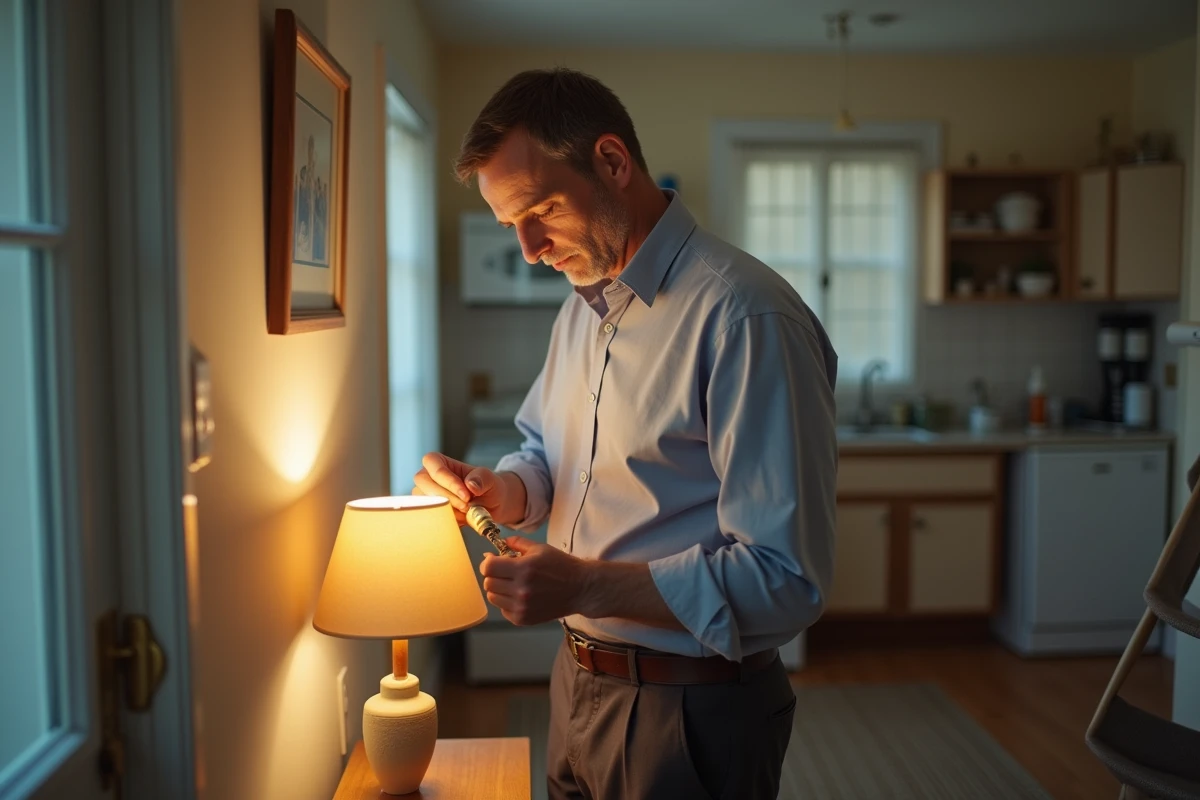
Many wonder: does the difference between furnished housing and empty rental impact maintenance? Yet, the basic rule remains unchanged: it is the tenant who is responsible for regular maintenance of the property, whether it involves replacing a light bulb or taking care of the appliances. In furnished rentals, the presence of furniture and appliances simply adds elements to monitor: the tenant must ensure the proper functioning of everything provided, from the refrigerator to the lamps.
The decree of August 26, 1987 applies to all forms of rental to define tenant repairs. Among the tasks to be performed as part of routine maintenance are the maintenance of seals, cleaning, painting work, and replacement of light bulbs. Technical or costly interventions fall under the owner’s responsibility. The specificity of the furnished rental lies in the variety of equipment present, but the logic remains unchanged: everything resulting from normal wear is the responsibility of the occupant.
However, furnished rentals require increased vigilance during the inventory. Precisely note the condition of the furniture, light bulbs, and appliances. Any structural defect, electrical failure, or outdated fixture remains the responsibility of the owner. The tenant, on the other hand, ensures ongoing monitoring and must promptly report any problems encountered.
Whether it is a lease for an empty or a furnished property, the landlord is still required to provide a decent and safe housing, while the tenant must take care of the property on a daily basis. This shared vigilance is the key to living peacefully and avoiding unpleasant surprises.