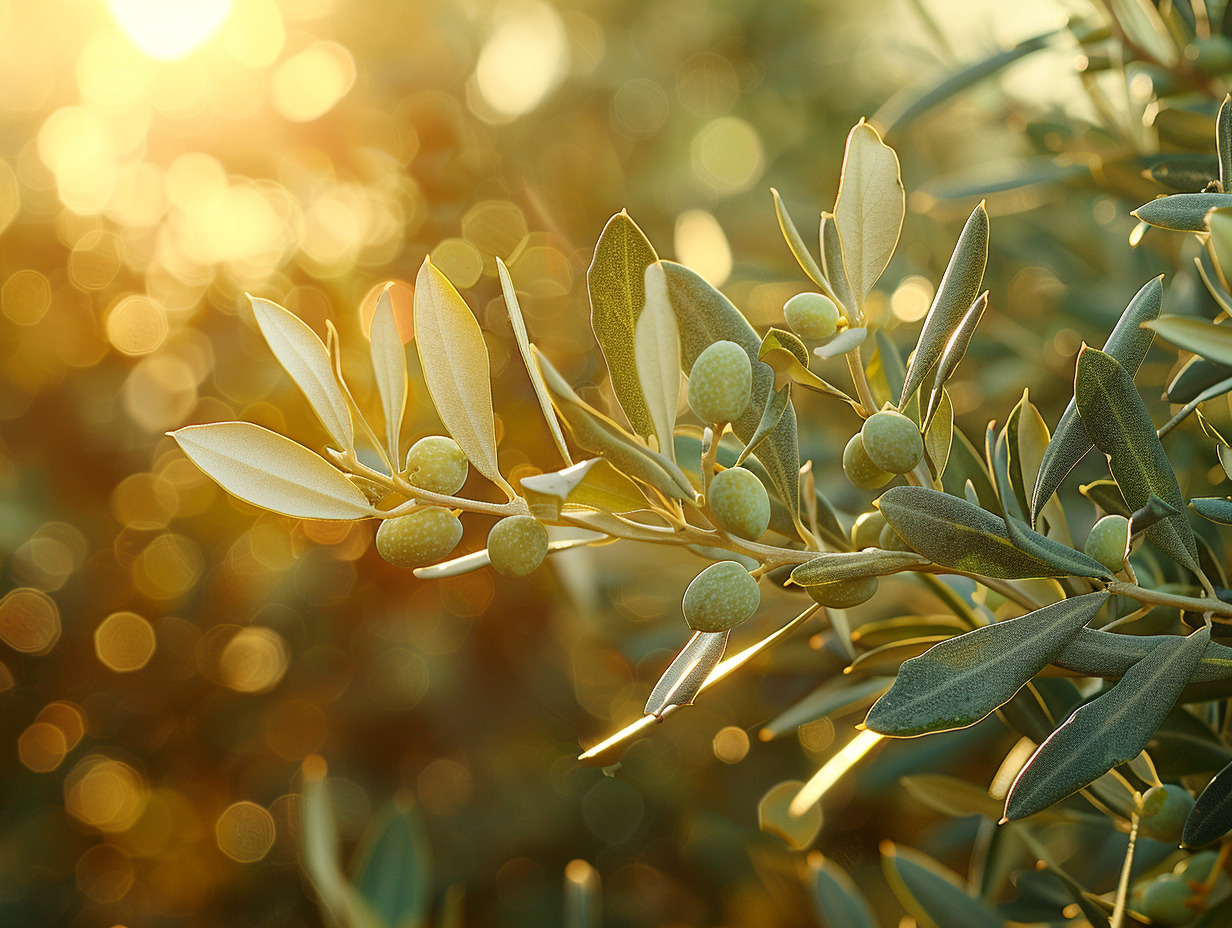
The olive tree, an emblematic tree of the Mediterranean, is cultivated for its fruits and precious oil. This tree requires specific care to thrive and avoid diseases or pests that can compromise its production. Inappropriate pruning practices, irrigation issues, or attacks from pests like the olive fly pose challenges for growers. Pests and fungal diseases, such as verticillium wilt, can also affect the health of the olive tree, leading to significant yield declines. Understanding and applying suitable maintenance techniques is therefore fundamental to maintaining the vitality of these trees.
Maintenance and Common Problems of Olive Trees
The olive tree, an evergreen tree belonging to the Oleaceae family, known for its longevity and resilience, is nonetheless subject to challenges in its maintenance. To ensure healthy growth, well-drained soil is essential, thus avoiding risks associated with excess water, often responsible for yellowing leaves. Cultivating the olive tree, whether in a pot or in the ground, requires controlled watering to maintain the right moisture balance for the roots.
Preserving the vigor of olive trees also involves proper pruning. Pruning an olive tree encourages its flowering in spring and the formation of fruits. Treating diseases and pests is a complex task that often requires the intervention of a specialist. Symptoms such as leaf drop or the presence of pests must be accurately diagnosed to apply the appropriate treatment. Olive tree: dead or weakened by pest attacks, it loses its ability to produce quality olive oil.
Fertilization is a fundamental aspect of olive tree maintenance. Nutrients such as nitrogen, phosphorus, and potassium are essential to promote growth. A well-balanced fertilizer can support the overall health of the tree and increase its resistance to diseases. The first years of an olive tree’s life are crucial for its future development. Tips and maintenance guides are available for those who wish to deepen their knowledge of cultivating these noble trees, whether to beautify a garden or for fruit production.
Prevention and Treatment of Diseases and Pests
The plant health of the olive tree is compromised by various diseases and pests, including diseases A and B, which seriously threaten the tree and its production. Alarming symptoms such as dark and discolored spots on the leaves, the wilting of these leaves, and internal rot of the olives should draw the attention of growers. These pathological manifestations are often the result of excessive moisture or extreme temperatures, thus favoring the activity of soil fungi and vector insects. Regular monitoring of olive trees is therefore essential to detect signs of diseases early.
In the context of prevention, cultural practices play a decisive role. Ensuring good drainage, regulating water supply, and maintaining aerated soil are fundamental measures to avoid the proliferation of pathogens. Implementing biological control, through the introduction of natural predators or the application of environmentally friendly phytosanitary products, can enhance the resistance of olive trees against pest attacks. Employing methods that respect biodiversity and the ecosystem of the olive grove is part of a sustainable agriculture approach, essential for preserving not only the olive trees but also the environment in which they thrive.
When the disease is confirmed, disease treatment requires targeted and appropriate intervention. Specialists may recommend specific fungicidal or insecticidal treatments based on the established diagnosis. Adhering to dosages and application periods is crucial for the effectiveness of the treatment and minimizing its impact on the environment. An integrated disease management approach, combining prevention, observation, and reasoned intervention, is key to the optimal protection of olive trees against diseases and pests.