A dog shares an average of about ten years of daily life with its household. The choice of breed, training methods, and health monitoring determine the quality of this cohabitation. Understanding how a dog functions, both behaviorally and physiologically, helps avoid most difficulties faced by owners.
Regulation and canine welfare: what has changed recently
The French legal framework surrounding dog training methods has evolved. The decree of June 19, 2025, now regulates the use and teaching of certain coercive tools in professional activities related to pets. Electric collars and choke collars are associated with increased stress, fear, and sometimes injuries, according to the National Reference Center for Animal Welfare (CNR BEA).
This evolution does not only concern professionals. It signals a change in doctrine: methods based on physical constraint are declining in favor of positive reinforcement. An owner adopting a puppy or adult dog today should therefore turn to trainers trained in these updated approaches.
At the European level, legislation adopted in November 2025 aims to exclude certain dogs with morphologies that are highly detrimental to their health, such as very short muzzles or certain hereditary diseases, from breeding. This regulatory angle directly links the choice of a breed to the question of animal welfare. To explore the specifics of each breed and their needs, you can consult the dog section on Chiens et Chats and compare profiles before adoption.
Dog breeds and morphology: a choice that impacts health
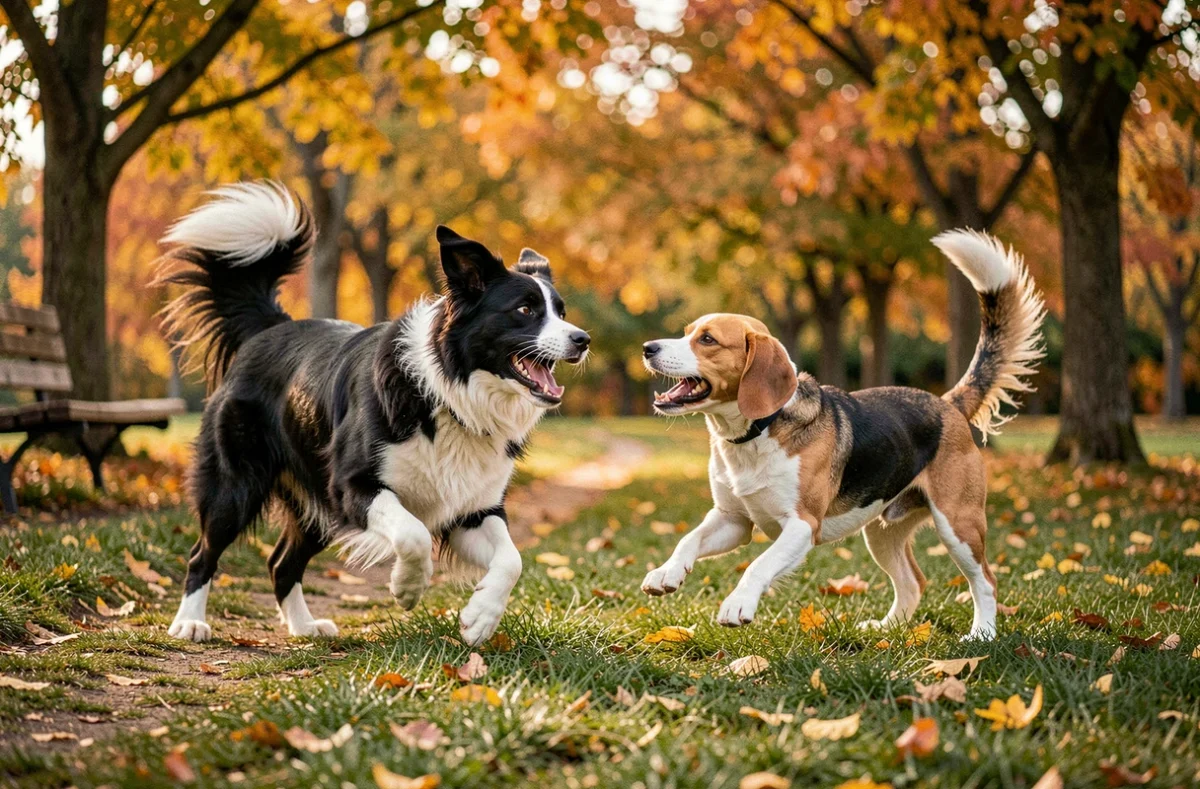
The choice of a breed is not just an aesthetic preference. Each morphology involves specific predispositions. Brachycephalic breeds (French bulldog, pug) frequently suffer from respiratory difficulties. Large breeds (Great Dane, German shepherd) are more prone to joint problems.
The new European regulation specifically targets these extreme morphologies. Before adopting, checking the health history of the parents and choosing a breeder who conducts genetic testing significantly reduces the risks of hereditary diseases.
Concrete criteria for choosing a suitable breed
- The activity level of the household: a border collie needs intense mental and physical stimulation, while a Cavalier King Charles adapts to a calmer pace
- The size of the living space: a large dog in an apartment requires long and frequent outings to compensate for the lack of space
- The family composition: some breeds tolerate the presence of young children better due to a higher reactivity threshold
- The health budget: breeds with short muzzles or wrinkled skin incur veterinary costs above average over their lifetime
Dog training through positive reinforcement: principles and limits
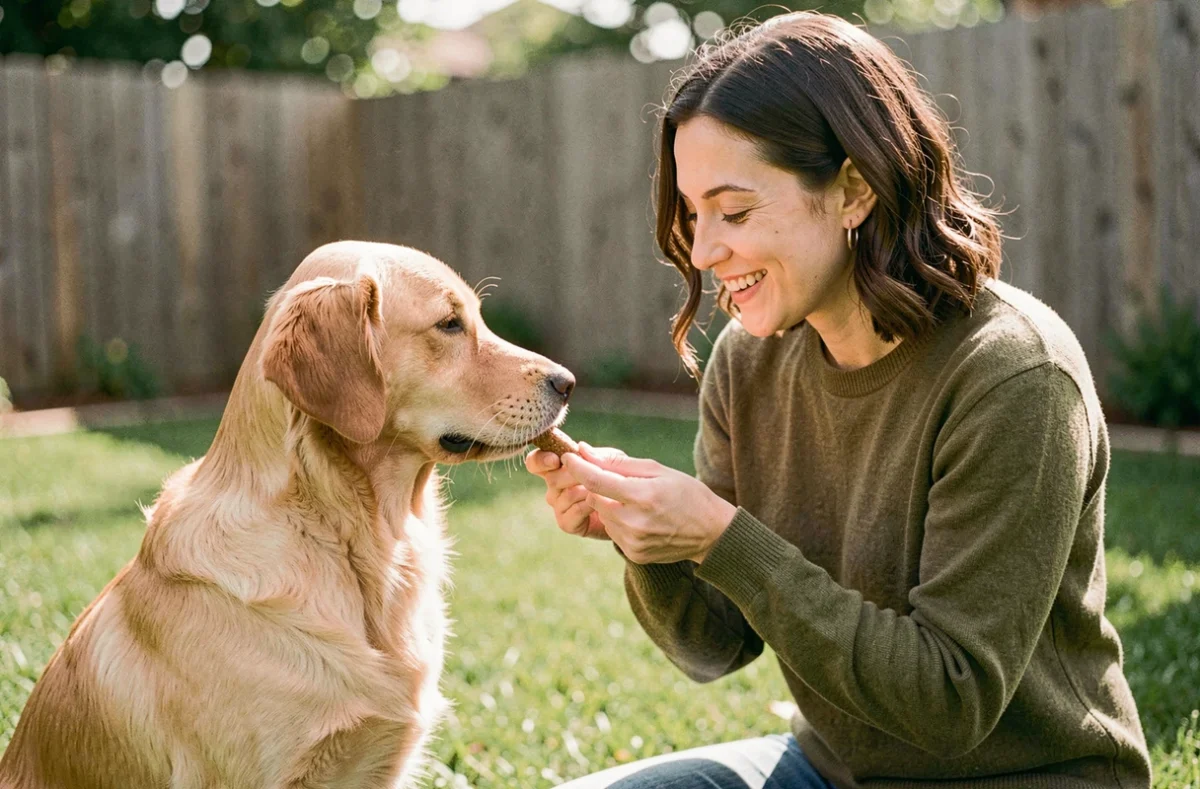
Positive reinforcement involves rewarding a desired behavior (treat, play, petting) to increase its frequency. This method is now recommended by the majority of veterinary behaviorists and relies on the associative learning mechanisms of dogs.
Its effectiveness depends on timing. The reward must occur within two seconds of the targeted behavior. Beyond that, the dog no longer makes the connection between its action and the positive consequence.
What positive reinforcement does not resolve alone
Behavioral issues are not merely a lack of obedience. A reanalysis published in November 2025 in the Journal of Veterinary Behavior, based on data from the Dog Aging Project, distinguishes several categories: fear, separation-related behaviors, and aggression. These problems often require specialized support from a veterinary behaviorist, not just work on basic commands.
A dog that destroys things in the absence of its owner does not need to learn “stay” – it expresses emotional distress that requires an appropriate protocol, sometimes combined with medical support.
Puppy socialization: a short window with lasting effects
The socialization period primarily occurs during the first months of life. During this phase, the puppy learns to tolerate the stimuli it will encounter as an adult: other animals, urban noises, handling by strangers, vehicles.
A puppy that has not been exposed to these situations during this window is more likely to develop fear or aggression reactions later on. Socialization is not about overwhelming the puppy with stimuli, but rather introducing them gradually, respecting its stress signals (yawning, looking away, low tail).
Socialization of an adopted adult dog
For an adult dog with an unknown socialization history, work is still possible but requires more time. Each new exposure must remain below the dog’s reactivity threshold: close enough for it to perceive the stimulus, far enough to avoid triggering a panic reaction.
This approach, called gradual desensitization, works best when combined with counter-conditioning (associating the feared stimulus with something pleasant). A dog trainer trained in current methods can guide this process without putting the dog in a position to fail.
Canine health and prevention: areas not to neglect
Prevention is the most effective lever to limit veterinary costs in the long term. Basic vaccinations, regular deworming, and parasite treatment form the minimal foundation.
- Dental care: periodontal diseases affect the majority of dogs after a few years and can cause systemic infections
- Weight control: canine obesity exacerbates joint and cardiovascular problems and significantly reduces life expectancy
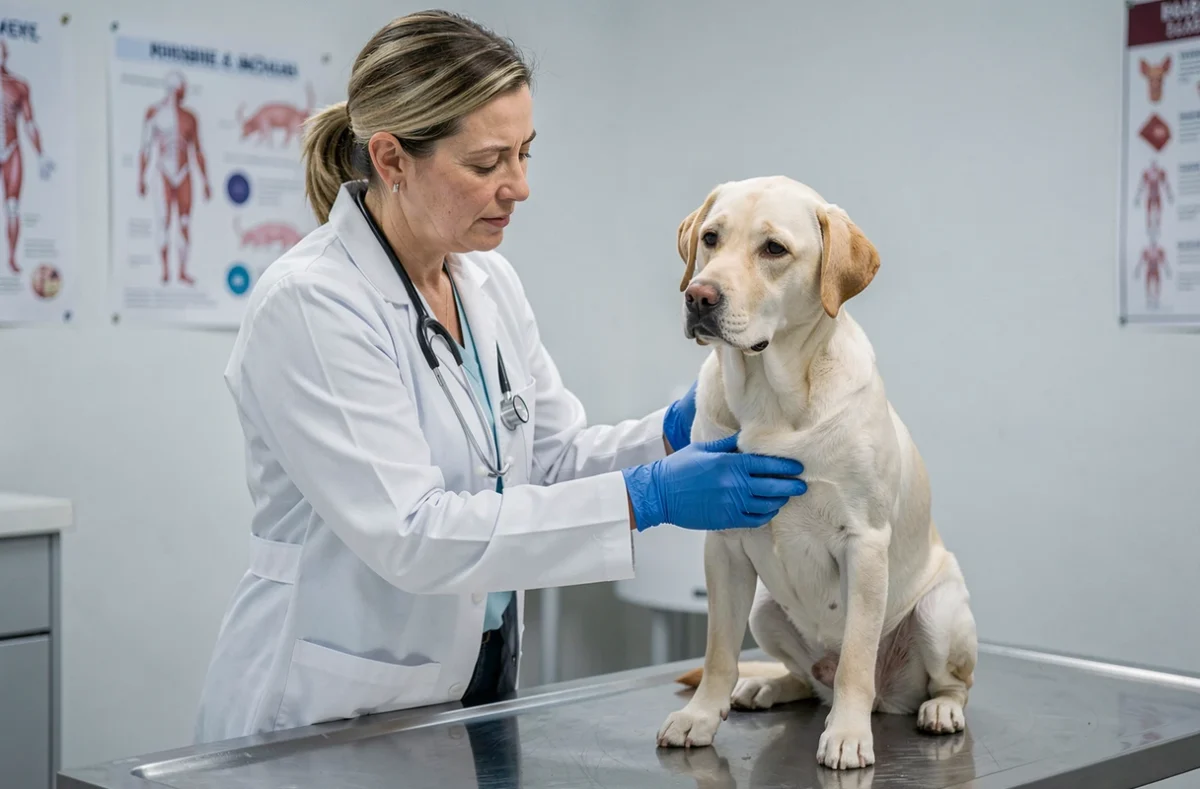
- Annual check-up with the veterinarian: early detection of kidney failure or thyroid disorders radically changes the prognosis
A dog whose weight is maintained within the ideal range lives significantly longer than an overweight dog of the same breed. Nutrition tailored to age, size, and activity level remains the primary preventive tool available to the owner.
The well-being of a dog is built on three pillars that work together: a breed compatible with the household’s lifestyle, training that respects its cognitive abilities, and regular health monitoring. Neglecting any of these aspects will always impact the other two.