Growing salads at home seems accessible, but the growth rate varies greatly depending on the starting choices. Between direct sowing in the ground and transplanting micro-plugs under LED lighting, the time before the first harvest can be reduced by several weeks. This article compares the factors that truly accelerate salad cultivation at home, supported by technical data.
Micro-plugs, direct sowing, and LED: harvest time comparison
The choice between sowing seeds and buying ready-to-transplant seedlings determines the total growing duration. Since 2022, micro-plugs (plants aged three to four weeks) have been gaining popularity among amateur gardeners.
| Method | Estimated time before harvest | Germination loss rate | Required materials |
|---|---|---|---|
| Direct sowing in the ground | The longest (germination + full growth) | High (slugs, drought, damping off) | Seeds, prepared soil |
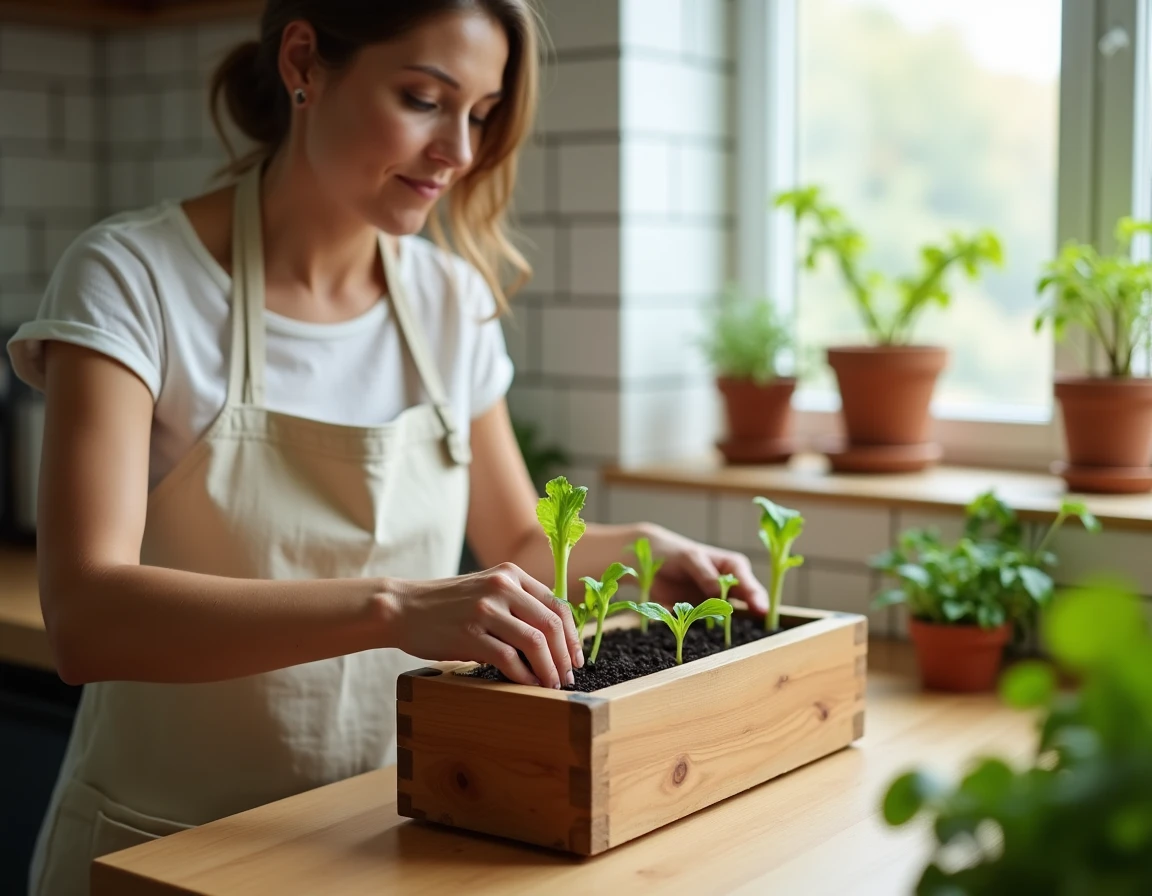
| Sowing in trays then transplanting | Intermediate | Moderate | Cell trays, potting soil, frame or mini-greenhouse |
| Ready-to-transplant micro-plugs | Shortened by almost a month compared to direct sowing | Low | Seedling trays, prepared soil |
| Indoor cultivation under horticultural LED | Significantly accelerated growth | Very low | Cold spectrum LED panel, containers, substrate |
The Chamber of Agriculture of the Pays de la Loire notes in a technical sheet from 2023 that micro-plugs allow for nearly a month of savings on the overall cycle compared to direct sowing, while reducing germination losses. For a gardener who wants to eat their first leaves quickly, this option represents the best shortcut without expensive equipment.
You can delve deeper into how to grow salads with Com 2 Net to find a detailed calendar tailored to each method.
LED lighting and indoor cultivation: an underestimated accelerator
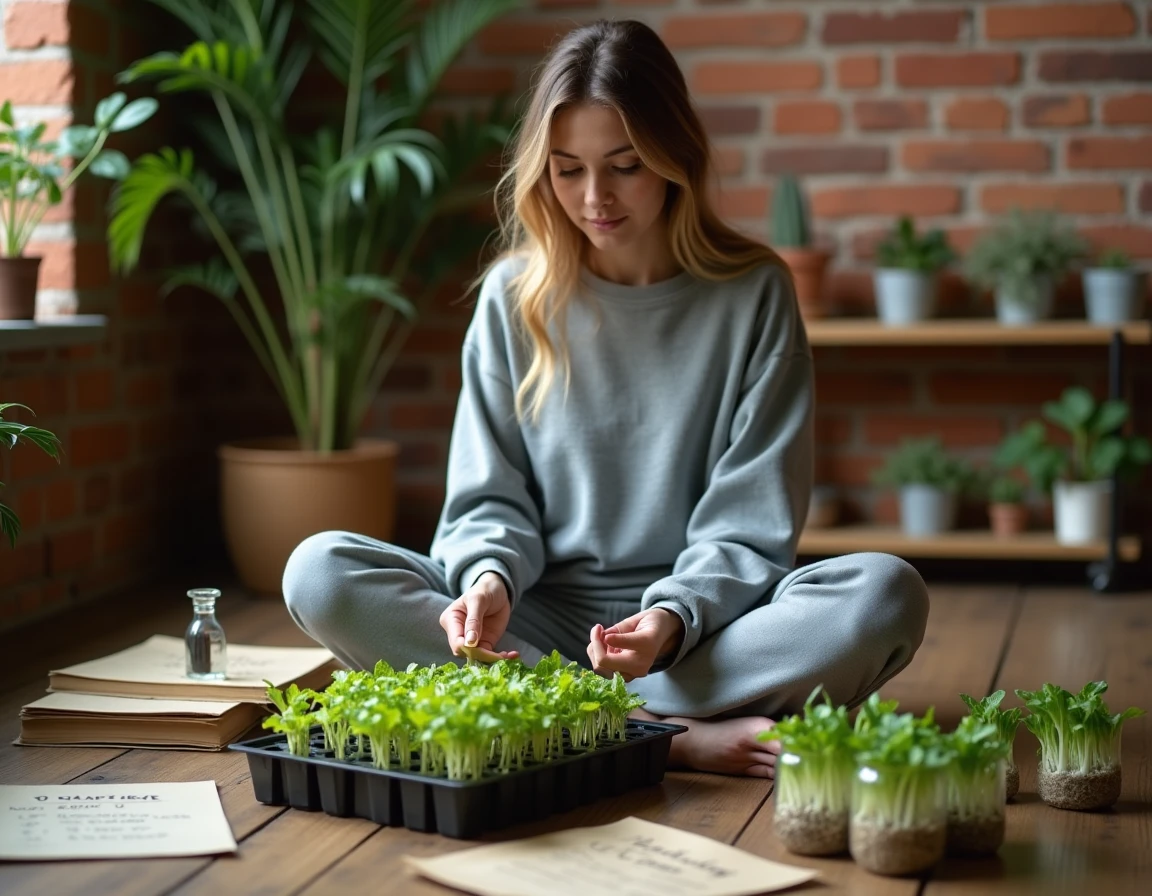
Artificial lighting is no longer reserved for professionals. Trials conducted by INRAE in 2022 on leafy crops show that cold spectrum LED lighting (blue and white) significantly accelerates the growth of lettuce grown indoors or under cover.
The gain is particularly noticeable in late winter and early spring when natural light remains insufficient. Salads then grow without the stress of bolting, a common problem when the photoperiod is poorly managed.
Conditions for LED to work
- Place the low-consumption LED panel 20 to 30 cm above the seedlings, in addition to natural light (not as a total replacement)
- Maintain a regular lighting duration, without exceeding the photoperiod that triggers bolting in sensitive lettuces
- Combine lighting with a moist and well-drained substrate, as light alone does not compensate for dry or compacted soil
This approach is particularly suitable for apartments or balconies with limited exposure. However, it is of little interest in the height of summer when sunlight already exceeds the needs of salads.
Slow-bolt varieties: the genetic factor that changes the summer harvest
Bolting remains the primary cause of failure in salad cultivation during hot months. In response to more frequent heat episodes, several breeders like Rijk Zwaan and Gautier Semences have been offering slow-bolt lettuce varieties selected for high temperatures since 2021.
These slow-bolt varieties maintain a longer production of edible leaves than traditional lettuces exposed to the same thermal stress. The benefit is twofold: the harvest extends, and the taste quality remains acceptable, without premature bitterness.
Which variety choices according to the season
In spring and autumn, traditional lettuces (batavia, oak leaf, romaine) grow quickly without special precautions. Cool soil and moderate temperatures are sufficient.
In summer, systematically favoring varieties labeled “bolt-resistant” or “slow-bolt” prevents losing an entire crop in just a few days of heatwave. The choice of variety is as crucial as watering for summer success.
Soil and watering: the two parameters that slow growth without being visible
A compact or too poor soil hinders salad growth much more than a lack of light. The roots of lettuces remain shallow and weak. They need loose, humus-rich, and consistently moist soil.
- Incorporating mature compost before planting improves soil structure and provides necessary nutrients without chemical fertilizers
- Mulching the base of the salads with a thin layer of dried grass clippings or straw retains moisture and limits weeding
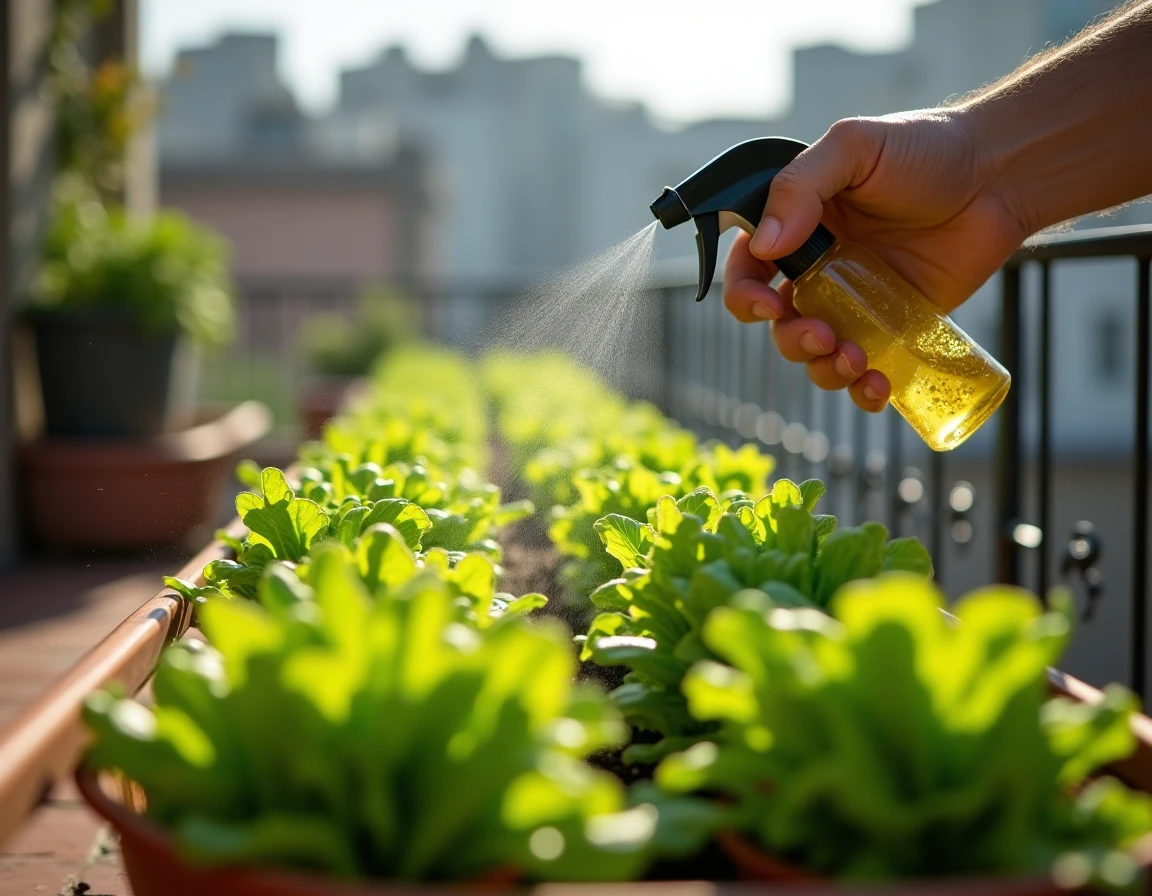
- Watering in the late afternoon or early morning, always at the base and never on the leaves, reduces the risk of fungal diseases and burns
A common mistake is to water abundantly but irregularly. Salads prefer a moderate and constant supply. Soil that alternates between drought and saturation causes wilted leaves or premature bolting.
Partial shade or full sun for salads in the vegetable garden
Most salad varieties tolerate partial shade and even prefer it in summer. A location that receives morning sun and then remains shaded in the afternoon is an effective compromise. Salads grown in partial shade bolt less quickly than those exposed to full summer sun.
The data agree on one point: the speed of salad growth depends less on a single miracle factor than on the combination of starting method (micro-plugs or sowing), variety choice suited to the season, and regular watering on properly amended soil. Modifying just one of these parameters without adjusting the others rarely produces the expected time savings.