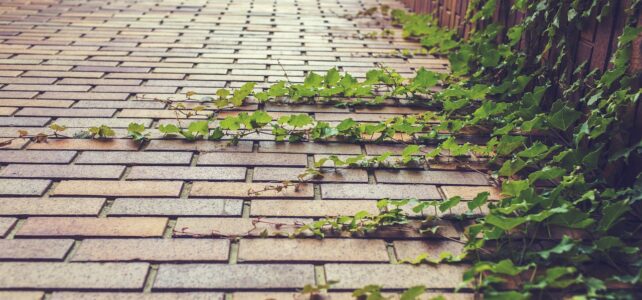
Installing driveway pavers for a driveway is an ambitious DIY project that requires careful planning and meticulous execution. A driveway should not only be aesthetically pleasing but also capable of supporting the weight and wear of vehicles.
Planning and Preparation
Site Assessment: Start by assessing the area where you want to install the driveway. Ensure that the ground is suitable to support a driveway and check for any underground obstacles such as cables or pipes.
Measuring and Marking: Outline the driveway using stakes and strings to define the contours. Measure the area to calculate the amount of materials needed, including pavers, gravel, and sand.
Choosing Pavers: Select appropriate driveway pavers. Concrete, natural stone, and brick pavers are good options. Ensure they are thick enough (6 to 8 centimeters) to support the weight of vehicles.
Excavation
Digging: Excavate the marked area to a depth of 25 to 30 centimeters. This depth includes the thickness of the different layers: the gravel base, the sand bed, and the pavers themselves.
Soil Preparation: Ensure that the excavated soil is well compacted to avoid future settling. Use a vibrating plate to compact the soil.
Installing the Base
Installing Geotextile: To prevent weed growth and stabilize the soil, lay a geotextile fabric at the bottom of the excavation.
Adding Gravel: Spread a layer of crushed gravel (20 to 30 centimeters thick). The gravel should be well compacted in successive 10-centimeter layers to ensure a stable and well-drained base.
Installing the Sand Bed
Sand Layers: Add a layer of crushed sand about 5 to 10 centimeters thick on top of the compacted gravel. This sand bed will serve as the immediate base for the pavers.
Leveling: Use a straightedge and guide rails to level the sand evenly. Ensure that the surface is smooth and level before laying the pavers.
Laying the Pavers
Paver Layout: Start laying the pavers from a corner or a straight edge. Follow the chosen laying pattern (herringbone, basketweave, straight rows, etc.). Lay the pavers edge to edge, leaving a small gap for joints.
Cutting Pavers: Use a paver saw to cut the pavers to the necessary dimensions to fit the edges and contours of the driveway.
Adjustment and Alignment: After laying the pavers, use a vibrating plate with a rubber protective mat to compact the pavers and slightly embed them into the sand, ensuring proper alignment and a flat surface.
Jointing
Jointing Sand: Spread polymer sand or fine sand over the pavers and sweep it into the joints. Polymer sand is recommended as it hardens when moistened, helping to stabilize the pavers and prevent weed growth.
Final Compaction: Run the vibrating plate over the surface once more to compact the sand into the joints. Add additional sand if necessary and repeat until the joints are well filled.
Activating Polymer Sand: If using polymer sand, lightly moisten the joints to activate the polymers. Avoid over-watering to prevent washing away the sand.
Finishing and Maintenance
Cleaning: Clean the surface of the driveway by removing any excess sand and debris. Inspect the alignment and uniformity of the pavers, making adjustments if necessary.
Sealing (Optional): Apply a paver sealer if you wish to protect the surface from stains and wear. The sealer also helps maintain the color and shine of the pavers.
Regular Maintenance: To keep the driveway in good condition, perform regular cleaning and check the joints to add sand as needed. Monitor for the appearance of weeds and moss, and remove them promptly to avoid long-term damage.