Knee inflammations, such as tendonitis, arthritis, or bursitis, can seriously hinder mobility and reduce quality of life. While traditional medical options often include anti-inflammatory medications or cortisone injections, many people turn to more natural remedies. These alternatives, favoring holistic approaches and nature-derived ingredients, are sought for their ability to alleviate pain without the side effects sometimes associated with conventional treatments. Among these solutions are dietary modifications, supplements, specific exercises, and manual therapies.
grandmother’s remedy for a swollen knee
Understanding Knee Inflammations: Causes and Symptoms
Knee inflammation can arise from various pathologies, among which knee osteoarthritis stands out as a major cause. This condition results from a progressive degeneration of the cartilage, leading to joint pain and chronic inflammation. Common symptoms associated with this condition include sharp pain, swelling, and a loss of functionality that can significantly impair patients’ quality of life.
Dietary factors play a significant role in exacerbating knee inflammation. Studies indicate that certain proteins and excessive consumption of dairy products can promote inflammation and joint pain. Therefore, a review of one’s diet becomes a central focus in managing and treating these inflammations.
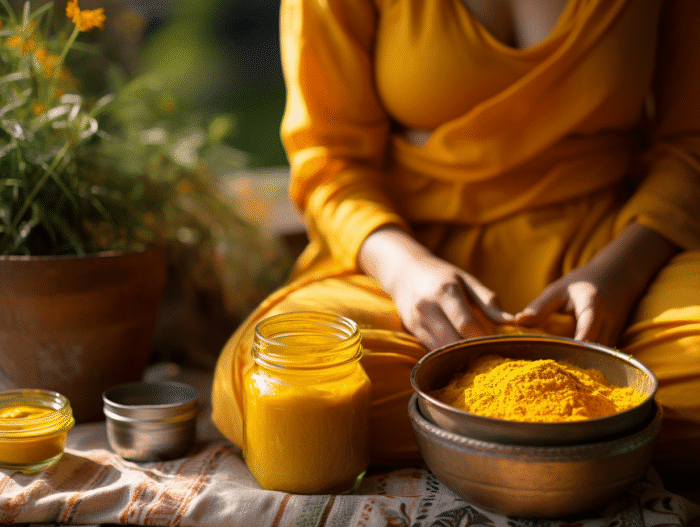
In the quest for relief, many patients turn to ancestral solutions, such as the grandmother’s remedy for a swollen knee, which often combines folk wisdom and the use of natural products. These remedies, passed down through generations, can offer some comfort and reflect the interest in less invasive approaches.
To complement this traditional knowledge, alternative medicine offers a range of treatments, from phytotherapy to essential oils, recognized for their anti-inflammatory properties. These treatments, combined with practices such as osteopathy and yoga, can contribute to better body balance and reduction of inflammatory symptoms.

Natural Strategies for Treating Knee Inflammations
A balanced diet, the cornerstone of joint health, stands at the forefront in the battle against knee inflammations. Incorporating antioxidants into one’s diet can play an anti-inflammatory role, helping to alleviate the painful symptoms of osteoarthritis. Fruits and vegetables rich in these beneficial molecules could thus help reduce inflammation and promote better joint health.
General lifestyle hygiene, including regular physical activity, also contributes to good knee health. Moderate exercise, tailored to each individual’s fitness level, helps strengthen the muscles supporting the joints and maintain their mobility. Gentle practices like yoga can further promote joint decompression while strengthening the surrounding muscular system.
The choice of shoes and the adaptation of orthotic insoles are fundamental for relieving pain related to osteoarthritis. A well-fitting shoe that offers good support can prevent excess weight on the knees and thus reduce discomfort. Custom-made insoles play a similar role by redistributing pressure and properly aligning the foot during walking.
Among complementary remedies, phytotherapy and homeopathy are often mentioned. The use of plants with anti-inflammatory properties can help manage the painful symptoms of osteoarthritis. Essential oils, applied sparingly and judiciously, are also recognized for their ability to combat pain. Osteopathy, on the other hand, can provide relief by addressing joint blockages and muscle tensions, often at the root of a painful vicious cycle. Therapy using heat and cold, as well as the application of green clay, can offer temporary but notable relief from knee inflammations.